
Who Are the Premier League Big Six?
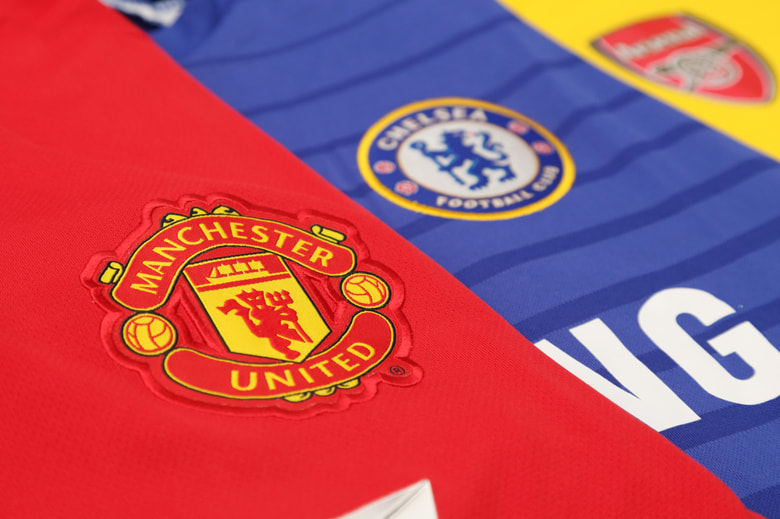
If you follow English football, you may hear talk of the “big six” (or Big 6 – however you want to write it, really) in the Premier League. The big six is not a formal or official group. Rather, it is the name given to the six top-flight clubs who are in some way deemed to be the “biggest”.
Football dominance, like in all sports, tends to be cyclical and the fortunes of the various clubs ebb and flow. Even the two most successful sides in terms of top-tier titles have experienced prolonged spells without claiming the championship. Manchester United, for example, did not win the First Division, as it was then, from 1967 until they took glory in the inaugural season of the Premier League in 1993. Equally, Liverpool had a long fallow period between 1990 and 2020 despite dominating much of the 1970s and 1980s.
Due to the ups and downs experienced by the different clubs, there have been other “big X” power blocs over the years. In the 1980s, there was the big five, which then consisted of Liverpool, Everton, Arsenal, Tottenham and Manchester United. That morphed into a big four, with Everton and Spurs dropping out and Chelsea joining the remaining three, largely on the back of consistent top-four league finishes but also success in the cups.
Around a decade or so ago, in the years after 2010, it became the big six, with that group persisting to this day. There is little real meaning to the term, beyond expressing a sextet that is broadly more successful and richer than other teams. They do not receive any financial reward or preferential treatment, but rather it is just a collective way of referring to the six clubs. But who are they?
The Current Premier League Big 6
There is no specific date or known first usage of when the Premier League’s big six, as we know it, was born. However, the term “big six” has referred to the following clubs since around 2011. One of the key reasons the term came about was due to the growing power of one in particular. In 2008, there was a takeover that had a huge impact on the shape of English football since it happened.
Manchester City
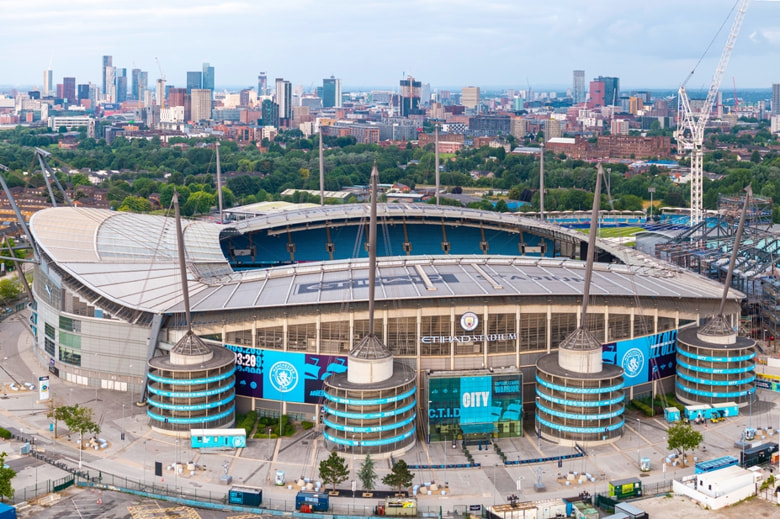
On the 1st of September 2008, it was announced that the Abu Dhabi United Group (ADUG) was taking over Manchester City. The deal was worth around £200m and effectively saw the oil-rich state of Abu Dhabi become the club’s new owners. City had been a mid-table side prior to the takeover and would finish 10th in 2008/09 and fifth the year after that. Since then, only once have they finished lower than third, ending the 2015/16 season in fourth.
Man City claimed their first-ever Premier League title in 2011/12 and since then, have been the dominant force in English football. The financial might of their owners, allied to the incredible managerial talents of Pep Guardiola, who was appointed City boss in February 2016, has made the club serial winners.
Prior to ADUG purchasing City, they had largely lived in the shadow of their neighbours, Manchester United. They had just two league titles to their name, plus six wins in the domestic cups and one victory in the defunct European Cup Winners’ Cup. In the post-takeover years, they have become a member of the league’s elite. Indeed, they are easily the most successful club in English football in the period since their new owners bought them.
They now have a trophy cabinet brimming with 10 top-tier titles, seven FA Cups, eight League Cups, the Champions League and the FIFA Club World Cup. They are a member of the big six, but so dominant have they been that they are almost alone as a big one!
Tottenham Hotspur
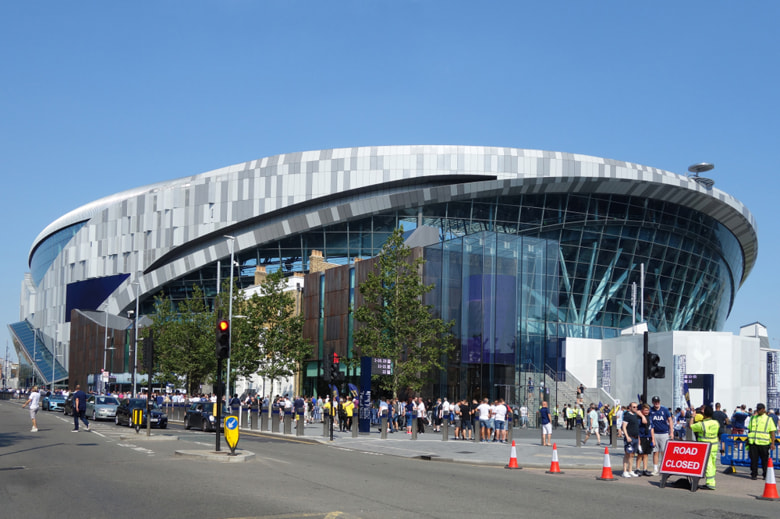
Tottenham dropped out of the elite, at least as far as media and fan nicknames are concerned, in the era of the big four, but they are now back as part of the current big six. They are easily the least successful of the group in terms of silverware. However, they have been consistent enough over the past decade and more to merit inclusion.
Between 2010 and 2020 inclusive, the club finished inside the top six every year. Their best spell came when they made the top three for three campaigns in a row from 2015/16 onwards. However, they finished seventh in 2020/21, eighth in 2022/23 and way down in 17th in 2024/25.
Despite that poor league showing, Spurs did win the Europa League in what proved to be Ange Postecoglou’s last game as Tottenham manager. In fact, that win is the club’s only piece of silverware in the big six era, their last trophy prior to that coming back in 2007/08.
Manchester United
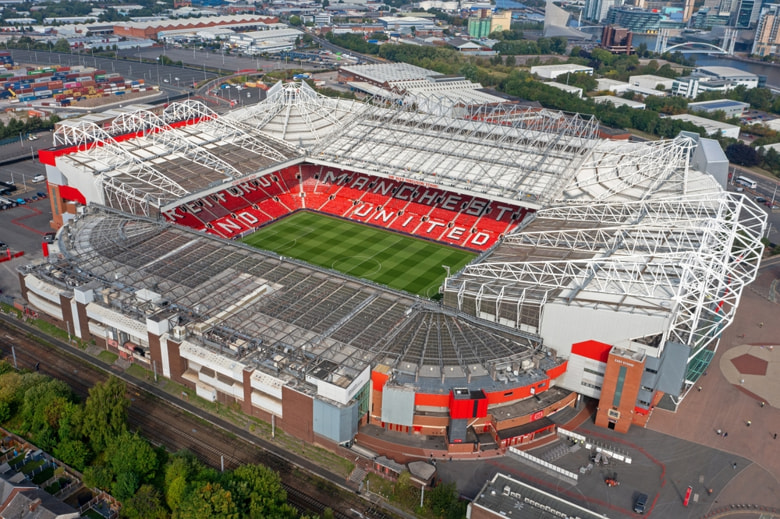
Manchester United have been, along with Liverpool and Arsenal, part of the big five, big four and big six. They may have struggled, relatively speaking, in the post-Sir Alex Ferguson era, but back in 2010, they still had a few good seasons in front of them.
They finished second in 2010, then won the title the following year. In 2011/12, they were runners-up before they won the last of their 20 league titles in Fergie’s final season in charge in 2012/13.
Since then, they have finished second twice but outside the top six on three occasions, including an abysmal 15th-place finish in 2024/25. They have, however, still managed to win several trophies in recent years. Since the last Premier League win in 2013, they have lifted both the FA Cup and EFL Cup twice, as well as the Europa League.
Liverpool
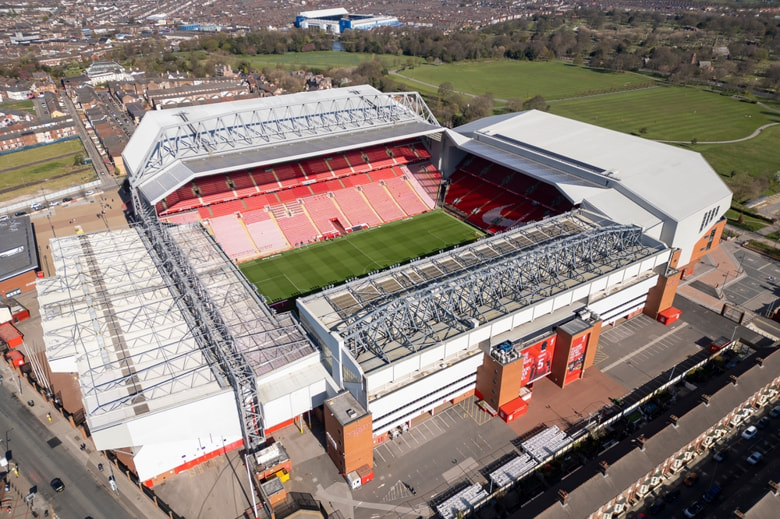
Liverpool, like United, have such a huge global fanbase that their presence among English football’s elite is all but guaranteed, even when on-pitch performances are not what the fans expect.
The Reds are probably the most successful team in English football overall, with their European success putting them ahead of Man United. They have been unbelievably consistent over an extended period, pre-dating the era of the big six. Since winning the title in 1964, they have finished outside the top six just seven times.
Arsenal
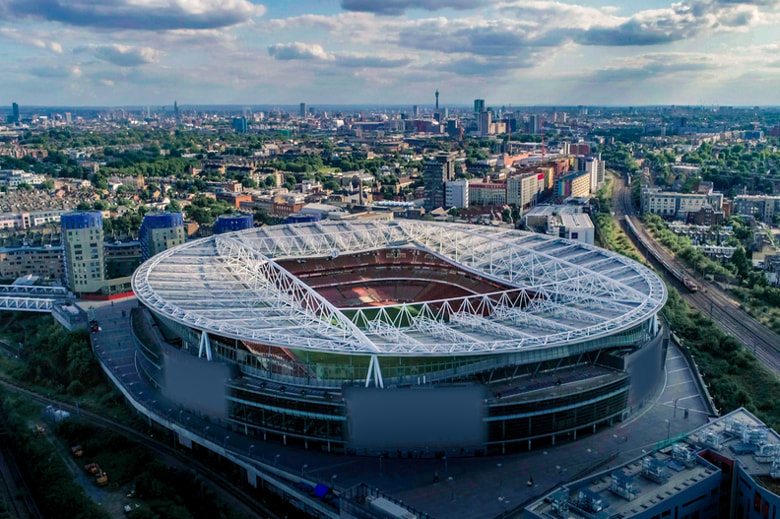
The Gunners have never won the Champions League, ahead of the 2025/26 campaign. However, they have to be viewed as the third-most successful team in English football thanks to their impressive haul of league titles, FA Cups and EFL Cup wins.
Arsenal may not have won the Premier League since the Arsene Wenger days, but barring two eighth-place finishes in 2020 and 2021, they have been in the top six every year since 1995! In the big-six era, they have won the FA Cup four times and have finished second in the league three seasons in a row, so fans will hope another title is just around the corner.
Chelsea
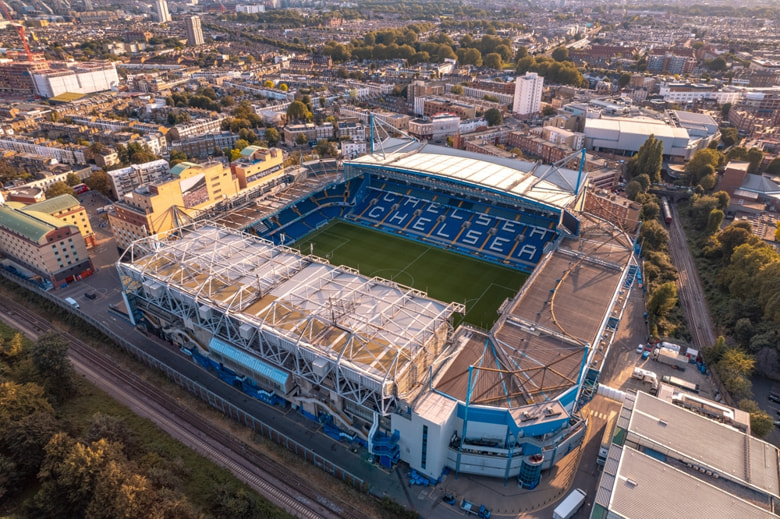
Like City, Chelsea’s fortunes were changed by a takeover, theirs coming in 2003. Roman Abramovich took them from being contenders to being serial champions. Their biggest successes came in the big four era, but they have been consistent performers and challengers for almost all of the 21st century.
The Blues last won the title in 2017, doing so in 2015 before that. They have also added two UCL wins in the era of the big six, as well as victories in the Europa League (twice), Conference League and a glut of further trophies too, spanning almost every major competition going.