

Tottenham’s spending during this summer’s transfer window has taken many fans and pundits by surprise. The club has already committed to spending around £230 million on Sandro Tonali, Mateus Fernandes, and Jan Paul van Hecke, despite missing out on European football and finishing 17th in each of the last two Premier League seasons.
With more signings potentially still to come, many are wondering what is going on at a club once known for spending cautiously and, more importantly, how they can afford to splash so much cash. This article has the answers.
Arrivals So Far
Despite beginning the summer with three savvy free transfers, Spurs have since turned their attention to marquee signings.
| Player | Previous Club | Fee (Add-Ons) |
|---|---|---|
| Martin Dubravka | Burnley | Free |
| Marcos Senesi | Bournemouth | Free |
| Andy Robertson | Liverpool | Free |
| Jan Paul van Hecke | Brighton | £52m (20% sell-on) |
| Mateus Fernandes | West Ham | £85m |
| Sandro Tonali | Newcastle | £92.5m (£7.5m) |
| Total | – | £229.5m |
While there is an argument to suggest a slight overpay on fees, ignoring the amounts for a moment, these are some excellent additions. The club have focused on players with proven Premier League experience who are able to pass the ball up the pitch, something that was a real issue for Tottenham last year. These are not prospects that might come good in a year or two, but already established players who should be able to hit the ground running.
The Fernandes-Tonali midfield pairing has the potential to transform Spurs’ engine room, while Van Hecke could form an excellent partnership with his Dutch teammate, Micky van de Ven. Robertson and Senesi are not simply squad players but experienced additions capable of pushing for a place in Roberto De Zerbi’s preferred starting XI. Meanwhile, Dubravka provides reliable and experienced cover between the posts.
There is every reason to believe the club will bring in more players, too, given they are yet to strengthen in attack. A side that managed just 30 open-play league goals last season is still crying out for more firepower, and Bournemouth youngster Eli Junior Kroupi has already been linked with a move that could rival the fee paid for Mateus Fernandes.
It is not just the transfer fees that have increased, but the wage bill too. Historically, Tottenham have maintained one of the lowest wages-to-revenue ratios among the Premier League’s biggest clubs, but that strategy has clearly changed. Reports suggested Spurs offered Mateus Fernandes a more lucrative contract than Manchester United, while Tonali is believed to be earning around £275,000 per week.
How Can Tottenham Afford It?

Although Tottenham have often avoided paying the very biggest transfer fees, they have still spent heavily in recent years. Across the previous five seasons (2021/22 to 2025/26), their net spend stood at around €670 million, the fourth-highest in the Premier League. This is not a club that has suddenly started spending after years of stockpiling cash.
With another negative net spend figure almost certain to follow in 2026/27, the obvious question is how a club coming off back-to-back 17th-place finishes can afford such an aggressive recruitment drive.
Player Sales Will Play a Role
Although Tottenham’s spending has dominated the headlines, the club is also expected to raise significant funds through sales. Luka Vuskovic has already joined Brighton in a deal worth up to £50m (£46m plus £4m in add-ons) after costing Spurs just £12 million. Brennan Johnson’s £35m move to Crystal Palace at the start of the year was also an excellent bit of business, even if it represented a loss on Tottenham’s original investment.
We have reached agreement with Brighton & Hove Albion for the transfer of Luka Vuskovic.
Wishing you all the best for the future, Luka. pic.twitter.com/Fv5yiL8Fhg
— Tottenham Hotspur (@SpursOfficial) July 14, 2026
There were no other major departures last January, but this summer could be different. Cristian Romero, Guglielmo Vicario, Pape Matar Sarr and Lucas Bergvall have all been linked with moves away, while Radu Dragusin has already joined Fiorentina on loan with an obligation to buy if certain performance-related clauses are met.
Owner Investment Has Changed the Picture
The biggest reason Tottenham have been able to spend so aggressively is not potential player sales, but a significant change in approach from majority owners ENIC. For years, Spurs largely operated under a self-sustaining model, but over the past 18 months, the ownership group has injected around £235 million into the club through share issues. That fresh investment has given Tottenham the liquidity needed to pursue expensive signings without relying solely on transfer income.
Despite carrying substantial transfer debt and previously having relatively modest cash reserves, Tottenham remain in a healthy position when it comes to football’s financial regulations. The Premier League’s profitability rules and the new squad cost rules focus on losses, wages and transfer costs rather than the amount of cash sitting in a club’s bank account.
Stadium Cash Cow
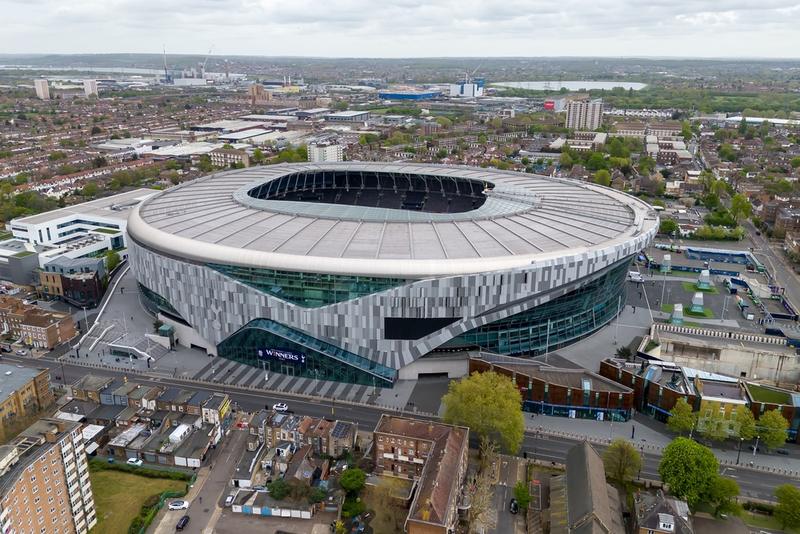
Another major factor is Tottenham’s ability to generate revenue through their stadium. Concerts, NFL games and other major events generate tens of millions of pounds every year. It is estimated that Spurs generated around £55 million from non-football events in 2023/24. At the time, they were limited to hosting 16 major non-football events each year, but that cap has since been increased to 30, meaning annual revenues of more than £100 million are now achievable.
 admin
admin